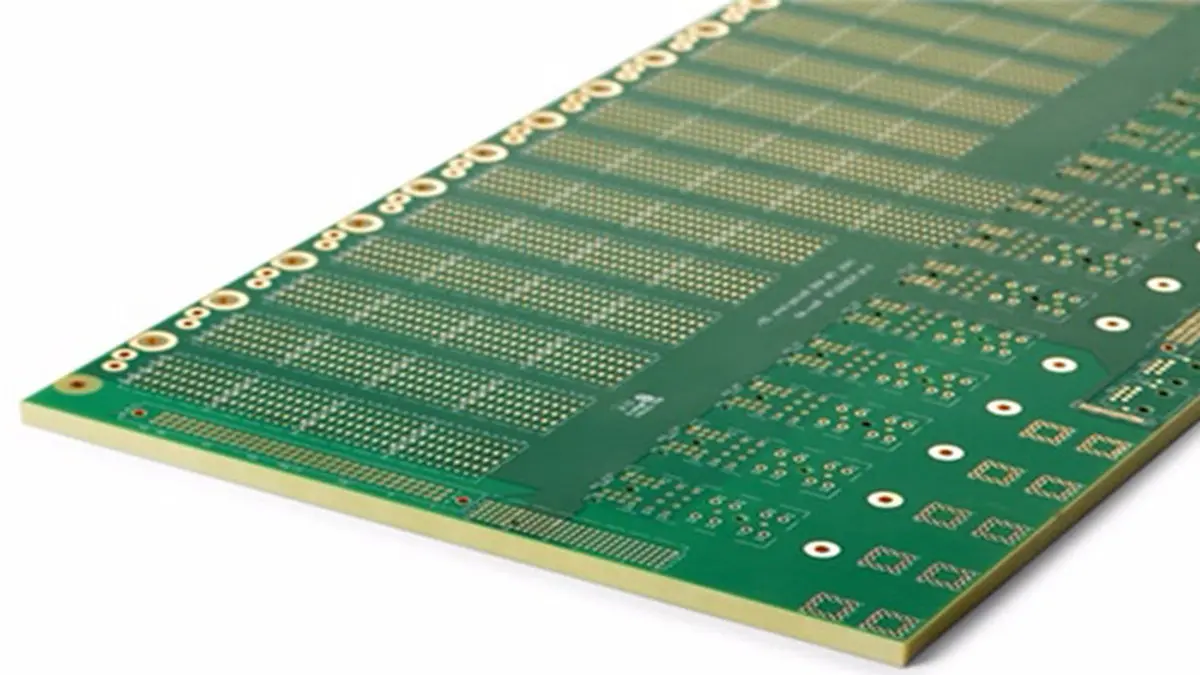
What Materials Are Commonly Used by AI Server PCB Manufacturers
Best Materials for AI Server PCBs: A Manufacturer’s Guide Manufacturers
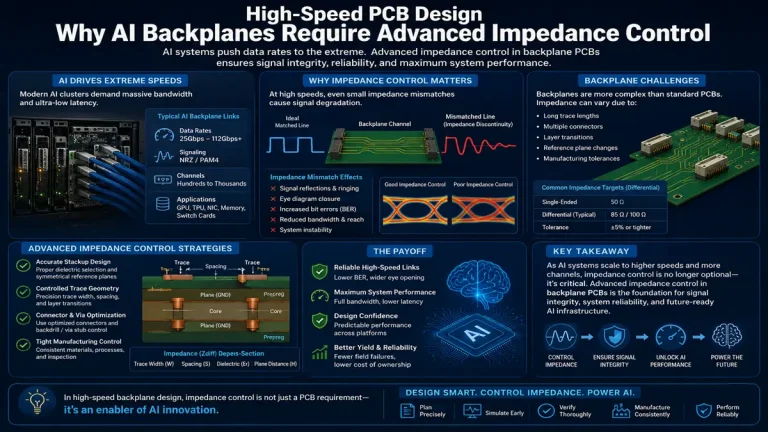
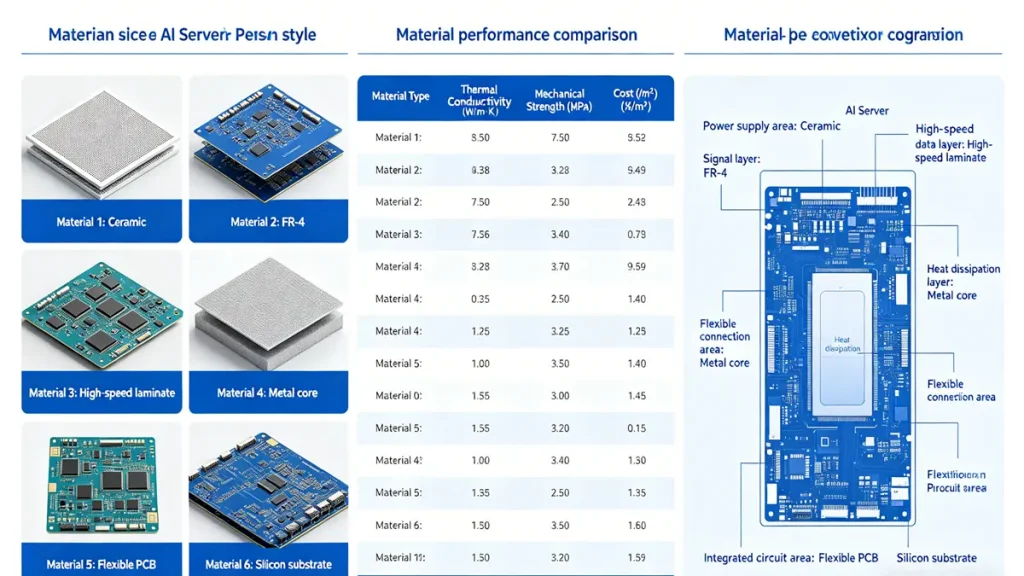
AI server PCB manufacturers commonly use high-performance, thermally stable, low-loss dielectric materials to support high-speed signals, high power density, and long-term reliability. The most widely used materials include High-Tg FR‑4, halogen‑free FR‑4, polyimide (PI), PTFE (Teflon), hydrocarbon ceramic laminates, and metal‑core substrates. These materials satisfy strict requirements for GPU accelerators, AI computing modules, and high‑power server boards. They ensure excellent signal integrity, efficient heat dissipation, and compliance with global industry standards.
Key Materials Used by AI Server PCB Manufacturers
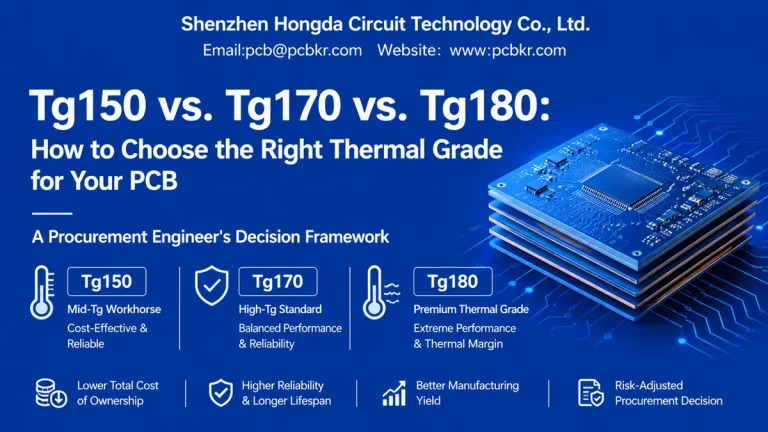
- High-Tg FR‑4Glass transition temperature >170°C; cost-effective; ideal for mainstream AI server control boards.
- Halogen‑free FR‑4Eco-friendly, high thermal stability; used in enterprise‑grade and green server designs.
- Polyimide (PI)Extreme heat resistance and flexibility; for compact flexible PCBs in AI modules.
- PTFE (Teflon)Ultra‑low dielectric loss; for high-frequency and high-speed signal transmission layers.
- Hydrocarbon CeramicSuperior thermal management and electrical stability; for high-power AI computing PCBs.
- Metal‑core (Aluminum)Excellent heat dissipation; used for high-load AI server power modules.
Trust & Authority Backing
All materials mentioned comply with IPC-4101, IPC-4103, and IPC-6012 Class 2/3 performance specifications for high-reliability server applications, and meet UL94 V-0 flammability ratings required for enterprise hardware. These laminates are widely adopted by leading global PCB and AI server manufacturers including NVIDIA, Intel, AMD, and major cloud infrastructure providers, and are specified in high-layer-count designs up to 44 layers for next‑generation AI training systems.
Material performance is validated by official datasheets from global suppliers including Panasonic, Rogers, Isola, Shengyi, and ITEQ, with verified properties for dielectric loss, thermal conductivity, and thermal stability under 24/7 operating conditions. Production processes follow ISO 9001, ISO 14001, RoHS, and IATF 16949 quality and environmental management systems, ensuring consistency and traceability in volume manufacturing.
Frequently Asked Questions
Q1: What materials are commonly used by AI server PCB manufacturers?
A1: AI server PCB manufacturers commonly use High-Tg FR‑4, halogen‑free FR‑4, polyimide (PI), PTFE (Teflon), hydrocarbon ceramic laminates, and metal‑core substrates. These materials provide high thermal stability, low signal loss, and strong reliability for high‑power AI computing environments.
Q2: What is the most common PCB material for AI servers?
A2: High-Tg FR‑4 is the most widely used base material for AI server PCBs, offering high thermal resistance, good reliability, and cost efficiency.
Q3: Which material is best for high-speed AI server PCB signals?
A3: PTFE (Teflon) and hydrocarbon ceramic laminates are preferred for high-speed AI server PCBs due to ultra‑low dielectric loss and excellent signal integrity.
Still, need help? Contact Us: sales@pcbkr.com
Need a PCB or PCBA quote?Quote now
About Author
David Chen https://www.linkedin.com/in/pcbcoming/
David Chen boasts an extensive professional background in PCBA manufacturing, PCBA testing, and PCBA optimization, with specialized expertise in high-precision PCBA fault analysis and rigorous PCBA reliability testing. Skilled in complex circuit design and cutting-edge advanced PCB manufacturing processes, he delivers solutions that elevate product durability and performance across industrial applications. His technical articles focusing on PCBA manufacturing workflows and testing methodologies are widely cited by industry peers, research institutions, and technical platforms, solidifying his reputation as a recognized technical authority in the global circuit board manufacturing sector.